

Tuesday 7th July, 2026
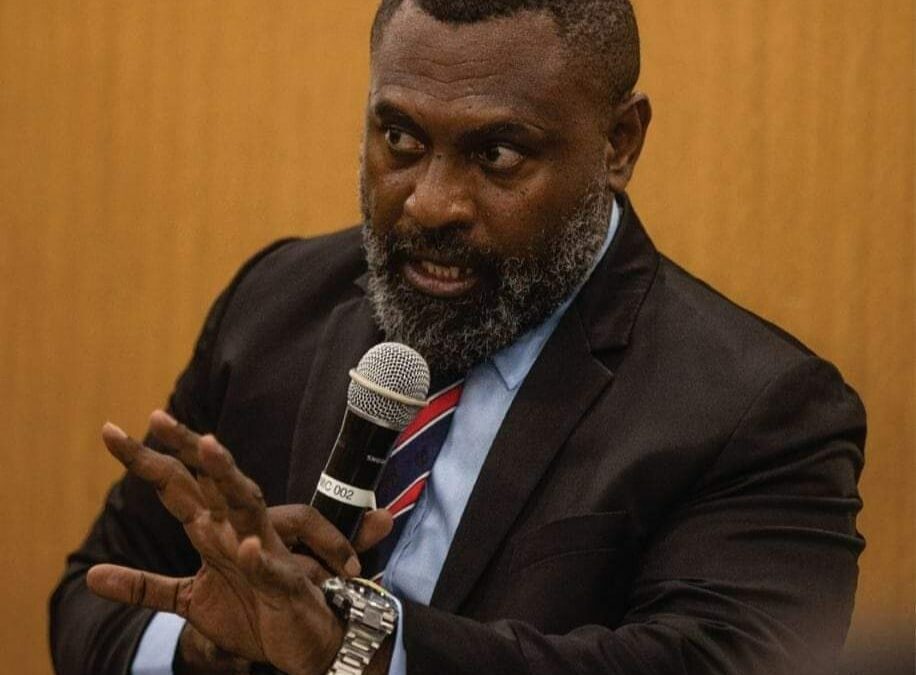
Acting Minister for Information and Communications Technology, Hon. Peter Tsiamalili Jr., has announced that the Department of Information and Communications Technology has begun drafting laws to protect citizens from harmful misuse of artificial intelligence, including deepfakes, voice cloning and digital impersonation.
“We have effectively commenced policy and legislative work to protect Papua New Guineans from the harmful and non‑consensual misuse of their image, voice, likeness and identity,” Minister Tsiamalili said.
“No Papua New Guinean should have their face, voice or identity stolen and weaponized for profit, humiliation, fraud, sexual exploitation, intimidation or deception.”
The Minister said growing concerns have been raised by local artists, parents, community leaders and the public about unauthorised use of voices and images, manipulated intimate content, online impersonation, scams and reputational harm.
Under the proposed reforms, harmful conduct will be criminalised, including:
– AI‑generated or manipulated sexual material
– Content involving children or child exploitation
– Fraudulent voice cloning and impersonation
– Scams, extortion, blackmail and identity theft
– Unauthorised use of artists’ voices and images
– Deceptive content intended to cause serious harm
“Accountability must extend beyond the person who creates harmful content,” he stressed. “Those who knowingly upload, publish, share, distribute, promote, monetise or threaten to release such material must also face consequences.”
Minister Tsiamalili added that social media platforms, AI service providers and hosting services will be required to act responsibly.
“Platforms or service providers that knowingly facilitate, profit from, ignore, or repeatedly fail to act on clearly unlawful content should not be able to avoid accountability and will not be permitted to operate.”
The Minister stated that the Department of Information and Communications Technology is working closely with the National Information and Communications Technology Authority, to advance this work under the broader legal and legislative oversight of the Department of Justice and Attorney General.
“As part of this process, we are reviewing the Cybercrime Code Act to ensure PNG’s laws can respond effectively to modern cybercrime, online harms and emerging technologies,” Minister Tsiamalili added.
The review will also support PNG’s alignment with the Budapest Convention on Cybercrime and the United Nations Convention against Cybercrime. Minister Tsiamalili said he intends to introduce amendments to the Cyber Crime Code Act in the November parliament seating.
“This initiative is not about criminalising legitimate AI use, creativity, journalism, satire, research or responsible innovation,” Minister Tsiamalili clarified.
“Our focus is clear: technology must not be used to exploit children, steal a person’s identity, deceive families, damage reputations or profit from another person’s voice, image or likeness without consent.”
He said the government will consult widely with artists, parents, churches, civil society, internet service providers, law enforcement and the public as the reforms are developed.
(Read Statement)
[Picture Credit: One PNG]