

THE Department of Information and Communications Technology (DICT) says government agencies need to work together to reduce the impact of misinformation in Papua New Guinea.
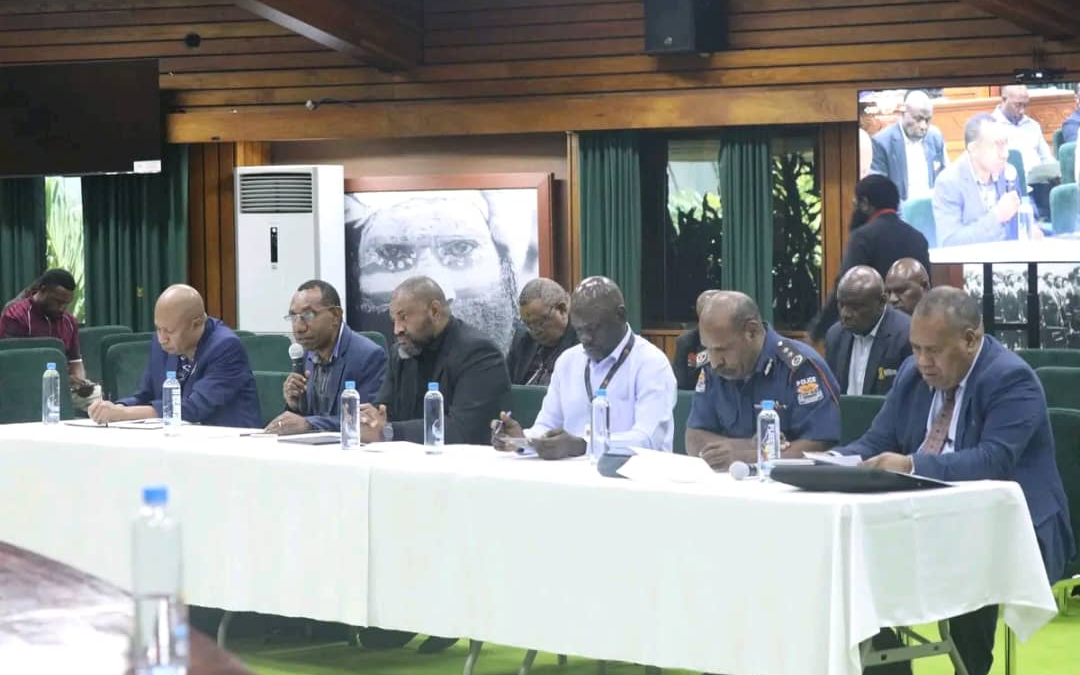
DICT Deputy Secretary Mr. Flierl Shongol told the Permanent Parliamentary Committee on Communications at Parliament yesterday that misinformation could not simply be removed, and agencies needed to coordinate their response.
“We cannot eradicate misinformation, but we can minimise its impact through coordination, education and proper redress mechanisms.”
Mr Shongol said DICT’s role was to coordinate policy, plans and technology, while agencies with the legal authority should carry out investigations and enforcement.
DICT has a Social Media Management Desk and a coordination centre which identify online issues and refer them to the relevant agencies.
The department does not have the power to investigate or prosecute people for offences committed online.
That responsibility rests with agencies such as the police and other relevant regulatory and security bodies.
Mr Shongol said stronger coordination was therefore needed between agencies dealing with misinformation, harmful online content and other social media issues.
DICT and the Office of Censorship have also discussed establishing a coordination platform to bring the relevant agencies together.
The discussion includes strengthening existing structures into a more organised task force or investigation platform.
PNG already has a National Social Media Policy which includes measures to address misinformation and disinformation and sets out responsibilities for DICT, NICTA, police, the Office of Censorship and other agencies. The policy also provides for an inter-agency taskforce and a National e-Safety Directorate.
DICT and the Office of Censorship are currently working on legislation to put the Social Media Policy into practice. The proposed framework includes measures covering social media platform accountability, classification and age restrictions.
The hearing also discussed the need for public education and better ways for people to report online problems and seek redress.
The issue of coordination has previously been raised by the parliamentary committee following the temporary restriction of Facebook in 2025, when questions were raised about the roles and communication between agencies.
Mr Shongol said DICT could coordinate the policy and technology side, but the response to online offences would still require agencies with the legal mandate to act.
The department is now looking at how those agencies can work more closely as PNG develops its wider framework for social media and online safety.