

The cost of wholesale internet in Papua New Guinea has dropped by up to 95 per cent over the past five years, with the Government now working to bring it down further.
Department of Information and Communications Technology Secretary Steven Matainaho said the Government wants wholesale connectivity costs to reach a level that can support cheaper internet for users.
The Government is also working on mobile number portability, national roaming and tower sharing, while Vodafone’s entry has added another operator to the telecommunications market.
Registered SIM cards have increased from about three million to 6.5 million, with about four million estimated to be active.
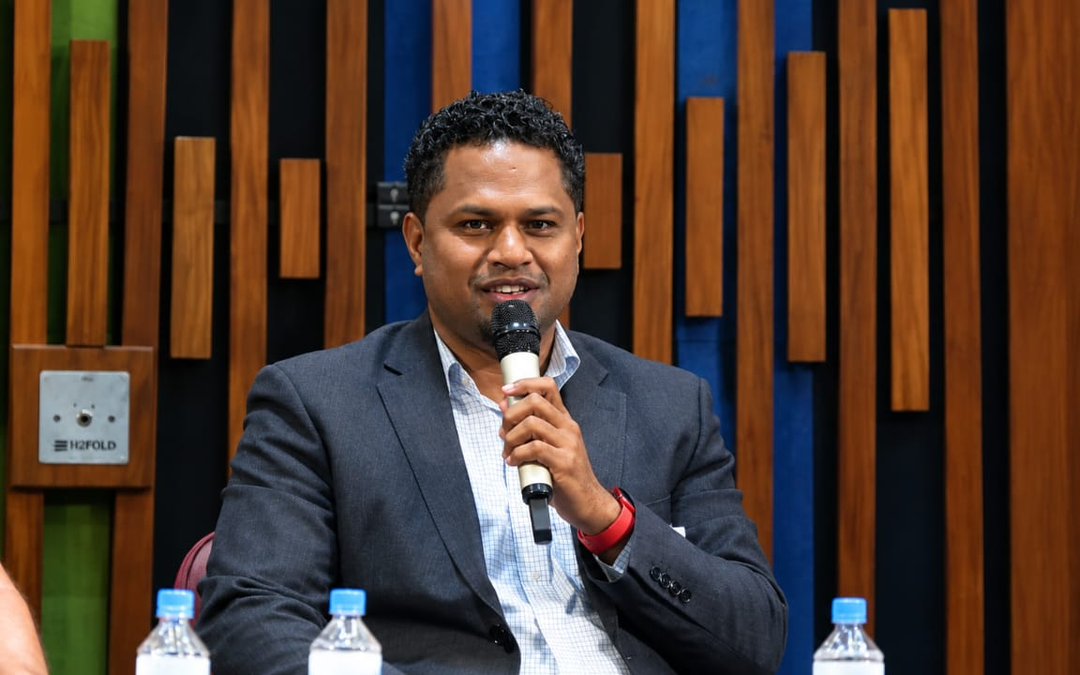
Mr Matainaho spoke about the changes during the U.S. Embassy Port Moresby’s “Digital Transformation at the Ground Level” event on Wednesday.
He also gave an update on the Government’s digital systems, including the use of .gov.pg domains, official government email and standardised websites.
More than 170 government agencies now have .gov.pg domains.
Cybersecurity was another concern raised during the discussions, with work continuing on legislation that would require cyber incidents to be reported and address the protection of personal information.
For Professor Ian Finlay, Vice Chancellor of the University of Papua New Guinea, the growth of technology also means PNG needs more people who understand how to use and develop it.
He said digital literacy needs to start with a general understanding of artificial intelligence before moving into specialised areas such as cybersecurity, programming and software engineering.
“AI should be a tool. We are the masters of that tool,” Professor Finlay said.
UPNG final-year Mathematics, Statistics and Computer Science student Belden Sakiromo gave an example of what young Papua New Guineans are already developing.
Sakiromo has developed a web-based criminal record management system prototype called “Bighet Rekod”, also referred to as Bikhet Rekot or the Digital Station, National Online Dockets Management System.
The project came up during a discussion about how students can take their ideas beyond university.
Sakiromo said students need places where they can test their projects, receive feedback and make improvements. Government agencies could also test projects that may be useful in public services.
UPNG is working on an innovation hub where young people can develop their ideas with guidance in areas such as business, patents and trademarks.
DICT is continuing work on the digital systems, connectivity and cybersecurity measures needed as more government services move online.