
Monday 20th July, 2026
The Department of Information and Communication Technology (DICT) officially opened the Digital Transformation Summit 2026 (DTS26), bringing together government leaders, industry, development partners, technology experts and innovators to discuss how digital technology can improve lives, strengthen public services and grow the economy.
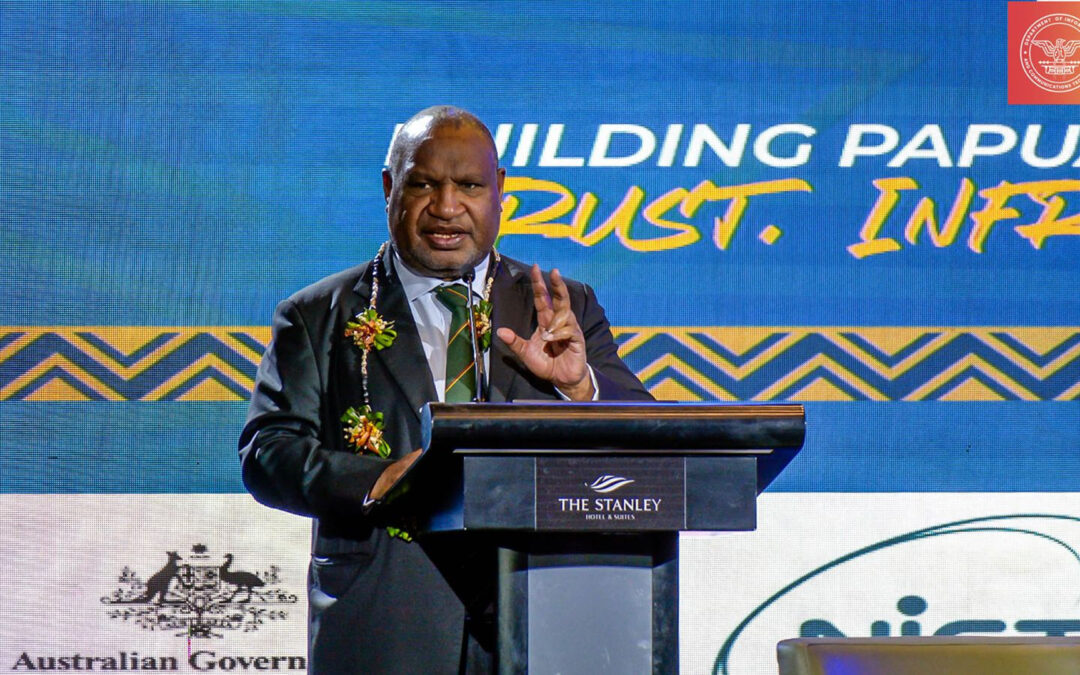
Prime Minister Hon. James Marape officially opened the summit at the Sheraton Hotel. He was joined by the Minister for Information and Communications Technology, Hon. Robert Naguri, DICT Secretary Mr Steven Matainaho, ministers and officials from Pacific Island countries, development partners and representatives from the private sector.
The summit began on Sunday with the DTS26 eGames Championship as an opener, where teams from across the country competed in Papua New Guinea’s largest national Call of Duty: Mobile competition. The event attracted hundreds of players and spectators, giving young people the opportunity to showcase their skills while promoting esports as part of the country’s growing digital economy.
Speaking during the opening ceremony, Prime Minister Marape said information and communications technology has become one of the most important drivers of development around the world and Papua New Guinea must continue to invest in the sector.
He said the COVID-19 pandemic showed the value of digital technology in supporting education, healthcare, business, government services and communication.
“If there was any good that came out of COVID-19, it was the need and the importance of ICT as a driver of health, education, commerce, social connectivity and government work,” he said.
Prime Minister Marape said technology is changing rapidly and artificial intelligence is now leading global discussions. Drawing on his participation at the World Economic Forum and the World Government Summit, he said Papua New Guinea cannot afford to be left behind.
He said the Government is giving greater attention to ICT because digital technology will continue to shape the country’s future.
The Prime Minister also announced that the Government is working towards making ICT a central government function, recognising its growing importance in national development and public service delivery.
He commended the leadership of DICT Secretary Steven Matainaho and the Department for driving the country’s digital transformation agenda and continuing to build partnerships across government and industry.
Prime Minister Marape said Papua New Guinea’s geography presents unique challenges that require strong digital infrastructure. Unlike many Pacific island nations, Papua New Guinea has a large landmass, rugged mountain ranges and a population spread across hundreds of districts and thousands of communities.
He said expanding digital connectivity remains a priority so that people in every province can access online government services, education, healthcare and business opportunities.
According to the Prime Minister, broadband coverage has grown from about 40 per cent in 2020 to approximately 80 per cent this year, reflecting continued investment in digital infrastructure across the country.
He said the Government is also extending fibre optic networks alongside major infrastructure projects to improve connectivity throughout Papua New Guinea.
While welcoming this progress, Prime Minister Marape warned that increased connectivity also brings greater cybersecurity risks.
He noted that cyber threats are increasing as more services move online and stressed that protecting government systems, businesses and citizens must remain a national priority.
He encouraged government agencies, industry and development partners to work together to strengthen cybersecurity and ensure digital technologies are used safely and responsibly.
The Prime Minister also called for closer cooperation among Pacific Island countries, saying ICT has the power to connect the region despite the vast distances between nations.
He said Pacific countries share many common opportunities and challenges and should continue working together to develop policies that support secure and reliable digital services across the region.
Prime Minister Marape encouraged delegates to use the summit to exchange ideas, build partnerships and learn from one another.
He reminded participants that the discussions should lead to practical actions that improve services and create opportunities for Papua New Guineans.
“The most successful people are those who listen,” he told delegates.
“I hope every conversation over the coming days helps you strengthen your organisation and, in doing so, strengthen our country.”
The Digital Transformation Summit 2026 continues until 22 July with keynote presentations, panel discussions, technology exhibitions, innovation showcases and technical sessions covering cybersecurity, digital identity, artificial intelligence, connectivity, digital skills and digital government.
The programme also includes the Pacific Cyber Week, the Pacific ICT Ministers Forum and innovation activities designed to encourage young people to develop digital solutions for national challenges.