

Port Moresby, 22 March 2026
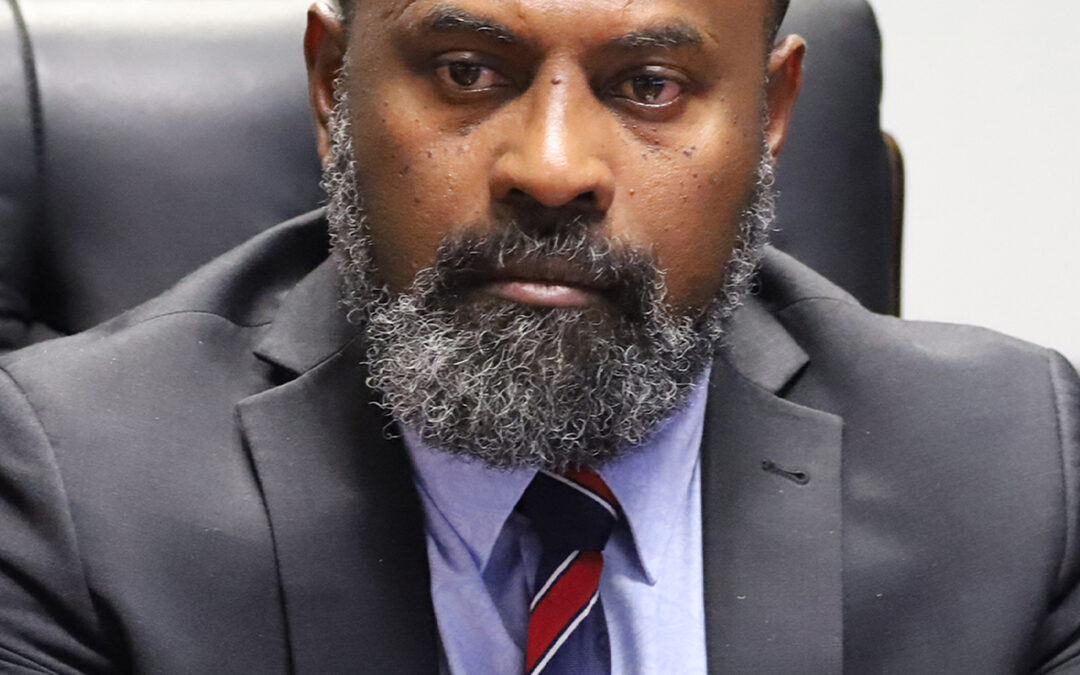
Acting Minister for Information and Communications Technology Hon. peter Tsiamalili Jr has announced the release of its Draft National Sovereign Digital Transformation and Artificial Intelligence Strategy, marking a major step toward building a unified national digital ecosystem.
Minister Tsiamalili said the draft strategy will be available to the public on 23 March 2026 via the Department of ICT website.
“I am pleased to announce the release of the Draft National Sovereign Digital Transformation and Artificial Intelligence Strategy for public consultation,” Minister Tsiamalili said.
The strategy builds on the earlier Draft PNG Government AI Adoption Framework, expanding the national blueprint for digital government, digital public infrastructure, critical digital infrastructure, and AI adoption.
According to the Minister, the new model is built on the equation:
Digital Government × Digital Public Infrastructure ^ Artificial Intelligence.
This formula aims to shift PNG from fragmented, agency‑driven ICT projects toward a single sovereign architecture where connectivity, cloud, data, identity, payments, services, and AI form one integrated national system.
“Its purpose is to move Papua New Guinea away from fragmented ICT projects and toward a single sovereign architecture… so that connectivity, compute, cloud, data, identity, payments, digital services, and AI operate as one coherent national system,” he said.
AI Built on Trusted National Infrastructure
The Draft Strategy positions AI not as a standalone technology but as a capability that must be deployed on trusted national rails. It outlines AI‑ready connectivity, sovereign hosting, Government Cloud infrastructure, and secure national data environments.
The Minister highlighted the alignment of future AI use with core digital public infrastructure elements such as SevisPass, SevisPay, SevisDEx, SevisWallet, and SevisPortal, ensuring security, interoperability, and national oversight.
Major Structural Reforms Proposed
The Draft Strategy sets out four major reform pillars:
- A Single Enterprise Architecture for shared digital government services, covering national systems such as eRecruitment, eProcurement, eBudget, eHR, and eFinance.
- A strengthened whole‑of‑government leadership structure, including:
- a new Digital Transformation and AI Board,
- a restructured Department of Digital Transformation and Artificial Intelligence, and
- an independent National Digital Economy Authority for regulatory oversight.
- New legislation, including proposed Acts covering:
- Critical Digital Infrastructure Investment,
- National Artificial Intelligence,
- Digital Identity and Trust Framework, and
- Data Governance and Protection.
- Creation of the Kumul Digital Infrastructure Holding Company (KDIHC) — a state‑owned entity to manage, consolidate, and develop national digital infrastructure under a commercially disciplined model.
Funding for Long‑Term Digital Sustainability
A key proposal is to allocate 1.5% of the 5.6% Connect PNG funding envelope specifically to critical digital infrastructure.
This funding model, the statement says, recognises that “digital infrastructure is now as foundational to national development as transport infrastructure.”
Funds would flow through KDIHC to support long-term investments in national connectivity, sovereign hosting, shared platforms, and strategic digital assets.
A Blueprint for Modernisation
Minister Tsiamalili emphasized that this Draft Strategy is not just a technical document but a national reform blueprint.
“This is therefore not simply a technology document. It is a national reform blueprint to build a more modern, interoperable, secure, and investment‑ready digital state,” he said.
He invited government agencies, SOEs, private sector partners, academia, civil society, development organisations, and the public to participate in the consultation process.
“This consultation is an opportunity to help shape a sovereign digital future for Papua New Guinea — one that is trusted, coordinated, fiscally sustainable, and capable of supporting both better government and long‑term economic transformation,” the Acting Minister stated.
The public will be able to access the Draft Strategy and provide feedback through mechanisms to be published at www.ict.gov.pg.
Read Statement